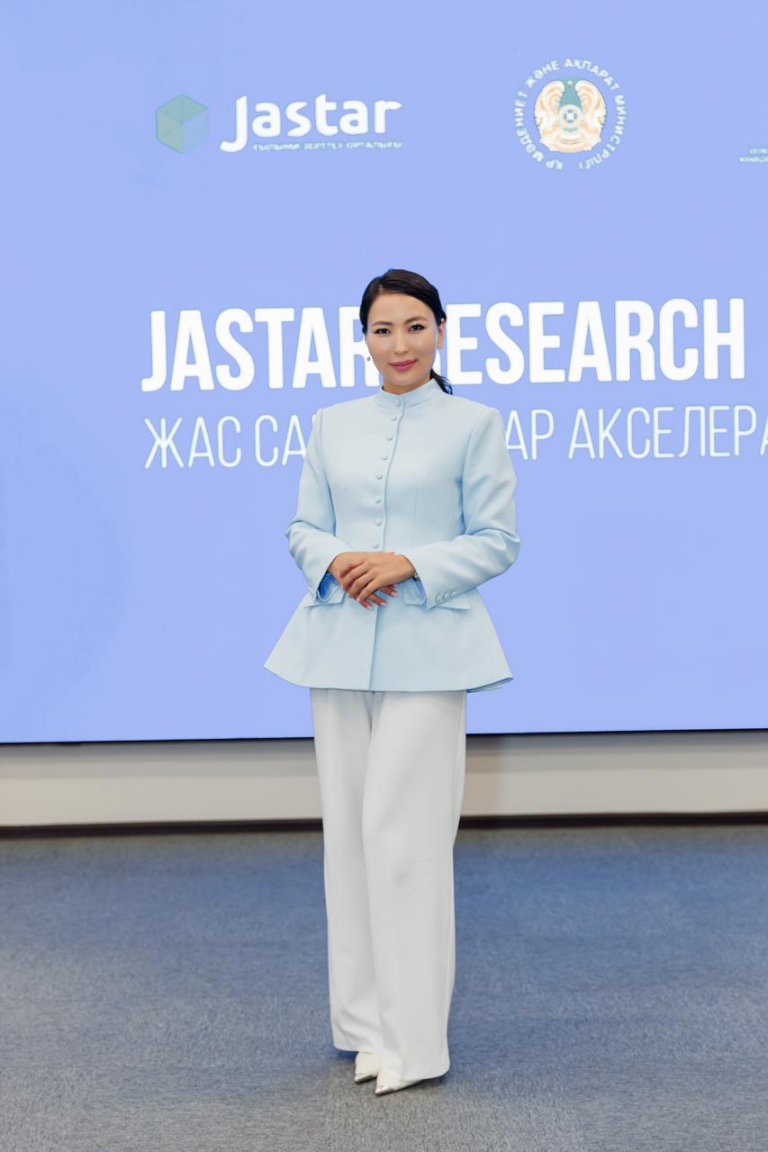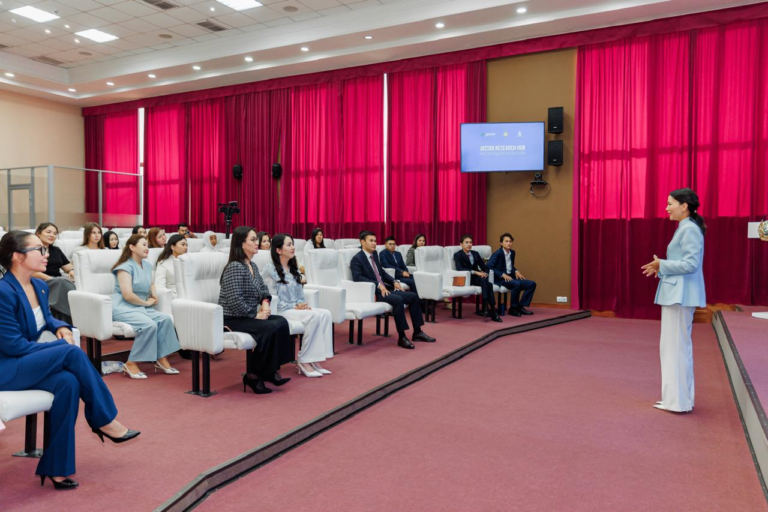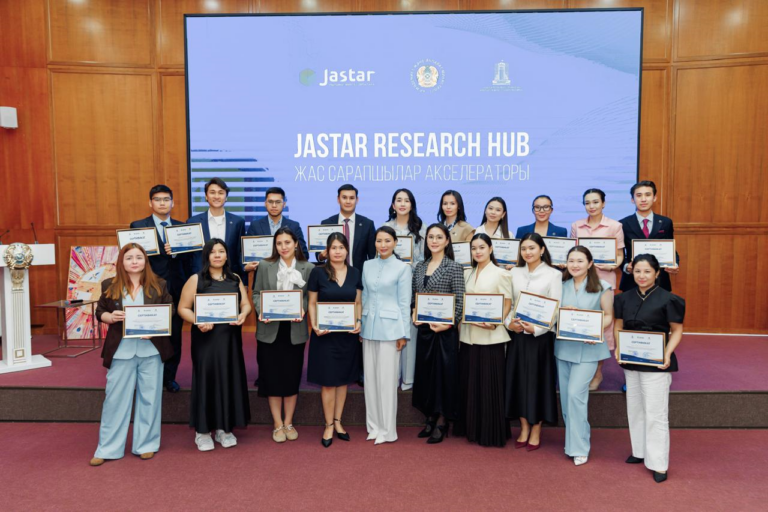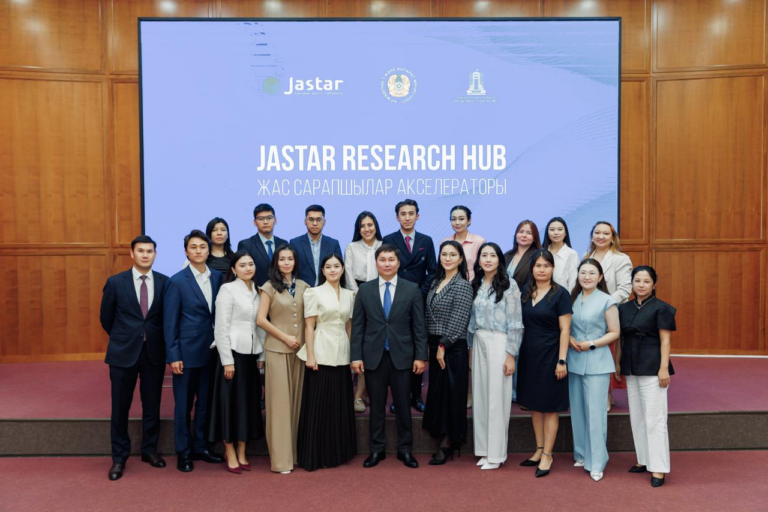

The Jastar Research Center, with the support of the Ministry of Culture and Information of the Republic of Kazakhstan, organized the Jastar Research Hub accelerator for young experts at the Academy of Public Administration under the President of the Republic of Kazakhstan.
The primary objective of the program is to cultivate a new generation of young experts capable not only of analyzing societal challenges but also of developing practical policy recommendations to address them. The project brought together young researchers, analysts, and members of the expert community from across Kazakhstan. Out of 250 applicants who competed for admission to the educational program, 20 finalists were selected.
In her opening remarks, Guliskhan Nakhbayeva, Director of the Jastar Research Center, emphasized that the accelerator consists of two key components. The first focuses on developing analytical research skills, while the second is dedicated to strengthening participants’ public speaking, communication, and media competencies.
“Today, young people are primarily seeking high-quality education and professional development. The modern labor market increasingly demands experts who can not only apply knowledge but also communicate their ideas persuasively, conduct meaningful research, and engage effectively with the public. Importantly, the analytical work produced by our young specialists does not remain on paper—their recommendations are submitted directly to government agencies. Looking ahead, we plan to build a professional alumni network and support graduates in securing employment within public institutions and quasi-public organizations,” said Guliskhan Nakhbayeva.
The Rector of the Academy of Public Administration under the President of the Republic of Kazakhstan, Azamat Zholmanov, also highlighted the importance of strengthening the analytical capacity of young people, preparing a new generation of researchers, and fostering closer cooperation between academia, education, and public administration.
One of the key milestones of the opening ceremony was the signing of a Memorandum of Cooperation between the Jastar Research Center and the Academy of Public Administration under the President of the Republic of Kazakhstan. The agreement will facilitate joint educational, research, and analytical initiatives aimed at training highly qualified young professionals.
Following the official ceremony, Aigul Kosherbayeva, Academic Secretary of the Kazakhstan Institute for Strategic Studies under the President of the Republic of Kazakhstan, delivered a presentation on the role of analytical research in shaping effective public policy and supporting evidence-based decision-making.
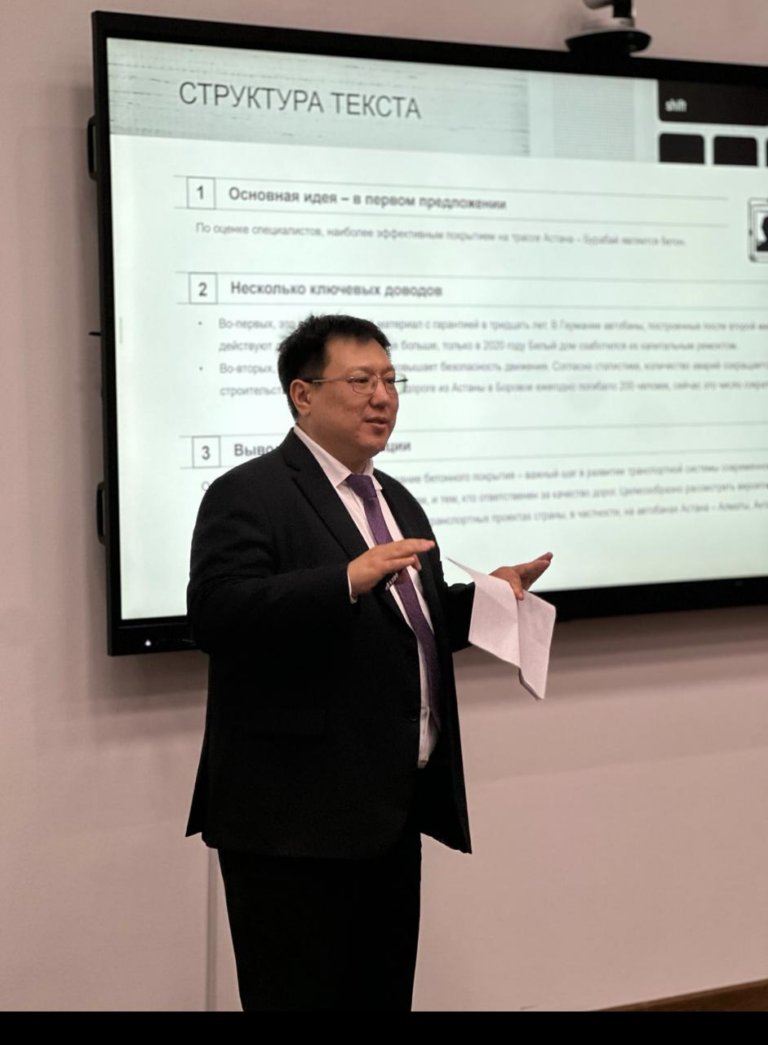
During the program, Azamat Baigaliev, Deputy Chairman of the Management Board of the Kazakhstan Institute of Public Development, shared practical approaches to preparing high-quality analytical reports and policy recommendations with participants of the Jastar Research Hub project.
“Analytical work is evolving rapidly. During our discussion, we explored how emerging trends and new tools can be applied in practice, and I received valuable feedback from participants. In just ninety minutes, we had an in-depth and meaningful conversation about our readiness to respond to today’s challenges. I believe everyone gained important insights. This project has clearly demonstrated its effectiveness—it is essential both for regional analytical centers and for professionals working in the field of research,” he noted.
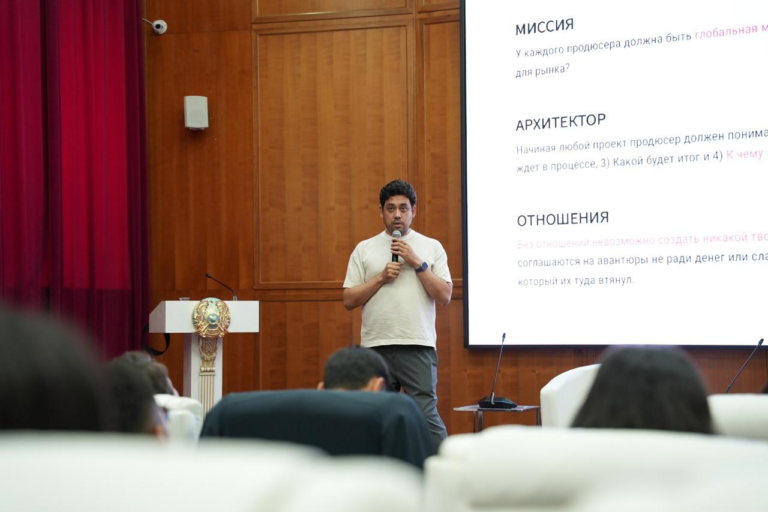
Erkebulan Kurishbayev, founder of the OYU Fest initiative and an expert in the creative industries, shared his personal experience and spoke about the importance of commercializing creative ideas. Addressing one of the fundamental dilemmas faced by creative entrepreneurs—the balance between business and art—he noted that creative professionals eventually need to generate sustainable income to continue developing their projects. At the same time, an excessive focus on financial performance may undermine the artistic value of their work.
“That is why it is essential to maintain this balance from the very beginning. Never lose sight of the creative essence of your work, while understanding that your talent should also generate income. I always encourage young entrepreneurs to return to their original motivation—to remember why they started their projects in the first place. This helps build a strong strategy and long-term mission that keeps them resilient and committed to their vision,” he said.
The educational program also featured presentations by Luiza Uzarova, Director of the Institute of Applied Ethnopolitical Studies, who introduced contemporary approaches to analyzing and monitoring interethnic relations, and Aliya Sarsekeyeva, Head of the Kazakhstan Sociology Lab, who discussed sociological research methods in the digital era.
Kemelbek Oyshybayev, Chairman of the Management Board of the Khabar Agency, provided participants with an overview of Kazakhstan’s contemporary media landscape, the structure of the television industry, current market trends, and the ongoing transformation of the media environment. Among the major trends he identified were the growing use of artificial intelligence in television production, the Digital First strategy, and the ongoing discussion about the future of television in the age of digital platforms. He also answered participants’ questions regarding the impact of emerging technologies on media consumption and advertising markets.
One of the participants, Begim Kutym, a 25-year-old doctoral candidate at the Graduate School of Public Policy of Nazarbayev University, focuses her research on the application of artificial intelligence in public administration. Her professional background spans the public sector, corporate organizations, and the media industry. She is the author of 15 scientific publications in both international and national journals, including journals indexed in the Scopus database.
“Before entering my doctoral program, I worked in the media industry for a national television channel and an online news platform. Over the past four years, I have produced more than 1,200 original publications for Kazakhstani media outlets, specializing in international politics, digital technologies, and artificial intelligence. Today, my primary goal is to implement innovative solutions that contribute to Kazakhstan’s sustainable development,” she shared.
Another participant, Kuanysh Omirbek, is a young researcher specializing in the fields of arts and media. He graduated from the Kazakh National University of Arts in 2024 and is currently completing his master’s degree at Sapienza University of Rome in Italy. He began his professional career at Kazakhstan’s national television broadcaster and has extensive experience in the media sector. He also teaches at the Kazakh National University of Arts.
“This project offers a unique opportunity to collaborate with experienced experts, establish professional connections, and participate in real research initiatives. Through Jastar Research Hub, I hope to deepen my research methodology and strengthen my expertise in public development and youth policy,” he said.
Throughout the week, participants met with senior government officials, heads of analytical centers, researchers, and leading experts from across Kazakhstan.
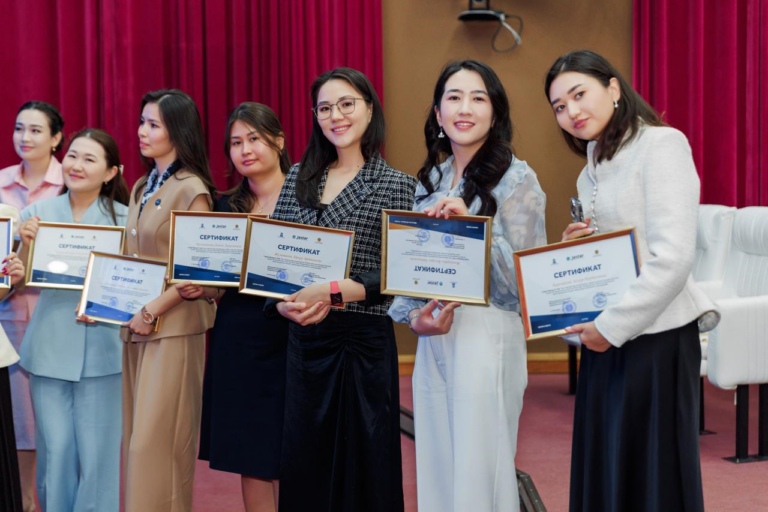
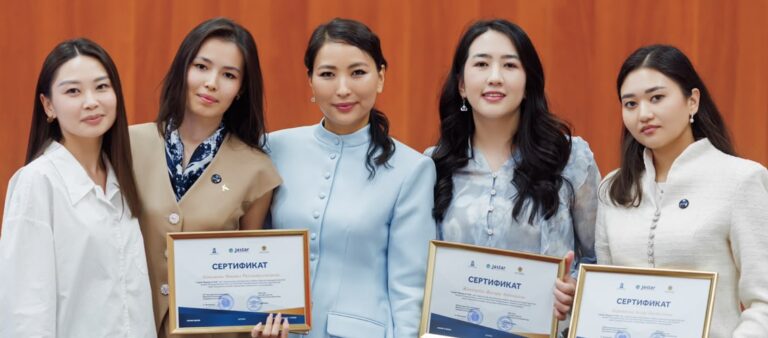
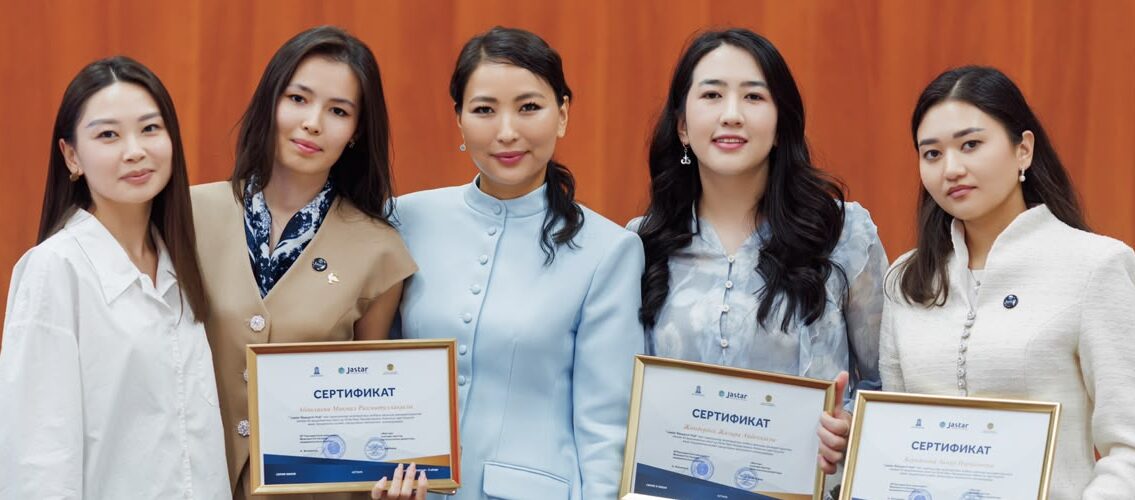
At the conclusion of the accelerator, participants received certificates confirming the successful completion of the educational program and the analytical skills development course delivered within the Jastar Research Hub research project. The highest-performing graduates were invited to join the pool of young experts of the Jastar Research Center.